The 1940s Britain 1941-1949
Clothes Rationing and Coupons
From June 1941 every item of clothing in Britain cost coupons as well as money, on an allowance that shrank as the war went on - the system that shaped how a whole generation of women shopped, sewed, and dressed.
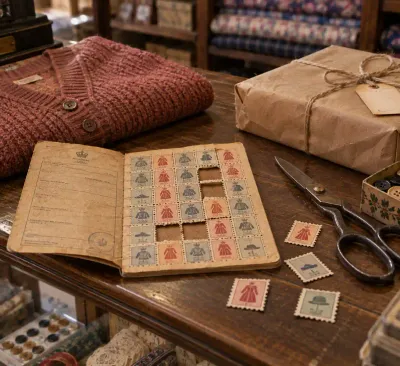
Clothes rationing began in Britain on 1 June 1941, announced with almost no warning to stop panic buying. From then on, buying clothes needed coupons as well as money, and every garment had a coupon value: a dress, a coat, a pair of shoes, stockings, even knitting wool. Each adult got a fixed allowance for the year - 66 coupons at first, which was soon cut, and cut again as the war dragged on. Once you'd spent your coupons, you couldn't buy more clothes until the next allowance, no matter how much money you had.
The numbers are worth sitting with, because they explain so much about the decade's style. A woollen dress took 11 coupons, a coat more than that, and shoes several more, so a year's allowance - eventually cut to 48 - could vanish on a few major purchases. That's why every piece in a 1940s wardrobe had to earn its place, why the utility suit was designed to be mixed with different blouses, and why make do and mend skills mattered so much. It also created a lot of creative workarounds - some legal, like remaking old clothes or using unrationed materials, and some not, like the black market in coupons and "under the counter" goods. The US never introduced general clothing rationing (only shoes were rationed there, from 1943), relying instead on manufacturing restrictions, and France had its own ration card system under occupation.
I think the most striking thing about British rationing is how long it lasted. The war ended in 1945, but clothes rationing carried on until March 1949 while the country rebuilt. Even Princess Elizabeth's 1947 wedding dress needed coupons. That's why Dior's New Look felt so extravagant in Britain: it arrived while women still couldn't legally buy the fabric to copy it, which the postwar softening silhouette entry covers. The 1950s section's rationing entry picks up the story from there - what it felt like once the coupons finally went away.