The 1940s throughout the 1940s
Rayon
The regenerated-cellulose fibre that stood in for silk and much of wool during the war - the fabric the decade's tea dresses, blouses, and linings were actually made from.
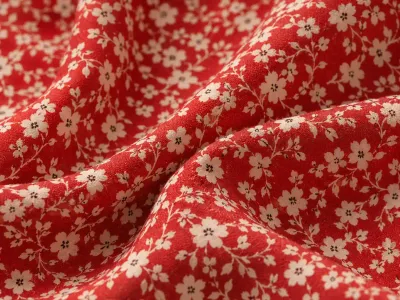
If you own a genuine 1940s dress, the odds are good it's rayon. It was the workhorse fabric of the decade, and I think it deserves more credit than it usually gets - it's often dismissed as "fake silk," when in the 1940s it was simply the fabric that made fashionable clothes possible at all.
Rayon isn't quite a synthetic. It's made from cellulose - usually wood pulp - dissolved and then extruded back into fibres, which is why it's often called "regenerated" rather than truly man-made. It had been around since the early twentieth century (and gets its own entry in the 1950s section), but the war is what made it essential. Silk imports from Japan stopped, and silk that was available went to parachutes and other military uses. Wool was needed for uniforms and blankets. Rayon could be produced domestically from abundant raw material, so it filled the gap across almost every kind of civilian clothing: crepe for dresses, satin for blouses and lingerie, gabardine-like weaves for suits, and slippery linings for coats.
Its qualities suited the decade well. Rayon crepe drapes beautifully, which is exactly what the tea dress and the softer end of the draped evening silhouette needed, and it takes dye and print brilliantly, which is why so many 1940s prints are so vivid. The downsides are real too, and any dressmaker working with vintage rayon learns them fast: it loses strength when wet, can shrink dramatically if washed carelessly, and creases easily. Wartime care guides spent a lot of words teaching women how to wash it gently. Knowing that, I find it even more impressive how many rayon dresses have survived eighty years of wear.