The 1930s throughout the 1930s
Crepe de Chine and Rayon Crepe
Softly textured, fluid crepes in silk and increasingly in rayon - the everyday dress fabric of the decade, draping almost like satin at a fraction of the price.
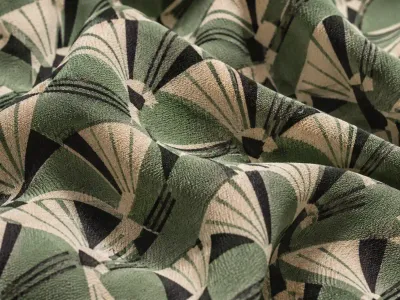
Satin gets the glamour, but crepe was the real workhorse of 1930s dressmaking. Crepe is a fabric with a slightly crinkled, pebbly texture, made by using tightly twisted yarns that give the surface a subtle grain and help it drape beautifully. Crepe de chine is the classic lightweight silk version - soft, matte, and fluid - and in the 1930s it was used for day dresses, blouses, lingerie, and lighter evening wear. Heavier crepes like marocain and matte crepe were used for dresses and gowns that needed more weight and swing.
Crepe suited the 1930s because it moved. The decade's clothes relied on fabric that could follow the body and fall in soft folds, whether bias-cut or flared with godets, and crepe did that beautifully while being a little more forgiving than satin. Its matte texture was also a lovely foil for shinier fabrics - you'll often see 1930s gowns that combine a crepe dress with satin trim, or that use the matte back of a crepe-backed satin as a contrast. Madeleine Vionnet used crepes extensively for exactly these qualities.
The biggest change was in the fibre. Rayon - called "artificial silk" until the name rayon was adopted in the 1920s - improved enormously in quality over the decade, and rayon crepes became a cheaper alternative to silk that looked and draped surprisingly well. For women with limited budgets during the Depression, a rayon crepe dress was an affordable way to have something fluid and elegant rather than simply practical cotton. I think rayon crepe is one of the unsung heroes of 1930s fashion: it's what brought the decade's graceful silhouettes out of the couture salon and into ordinary wardrobes, and it went on to become the backbone of the 1940s tea dress.