Fashion history, era by era
Deep dives into how women dressed, and why
Silhouettes, designers, garments, fabrics, construction and culture, from the Victorians to the 1990s.
433 deep dives · 9 eras · every one sourced
The eras
-
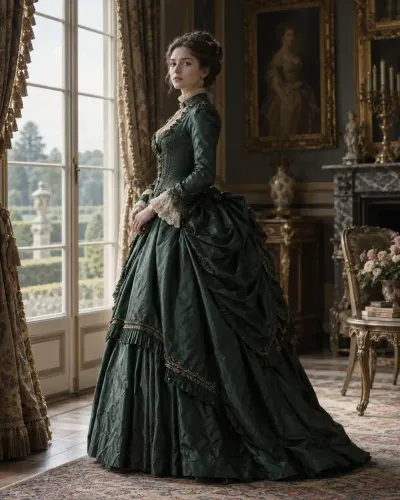
1837–1901 · 50 entries
The Victorian Era
From crinolines to bustles - six decades of dramatic, rapidly-shifting silhouettes.
-
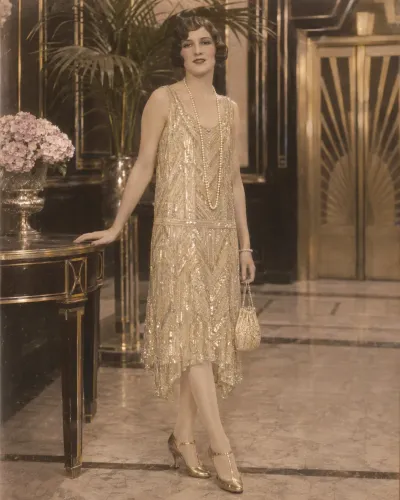
1920–1929 · 31 entries
The 1920s
Dropped waists, bobbed hair and the first hemlines to show the knee - the decade fashion went straight, short and modern, and beaded it for the evening.
-
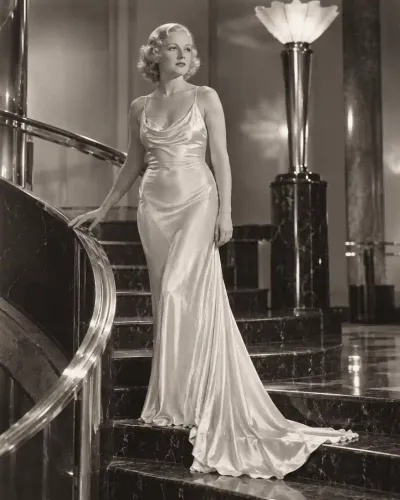
1930–1939 · 41 entries
The 1930s
Bias-cut satin and Hollywood glamour on one side, Depression-era house dresses on the other - the decade the waist came back and the hemline dropped.
-
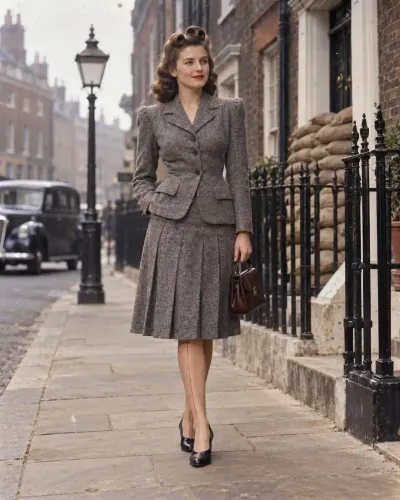
1940–1949 · 43 entries
The 1940s
Coupons, square shoulders, and make-do-and-mend - a decade dressed by war rationing, right up until Dior's New Look tore up the rulebook in 1947.
-
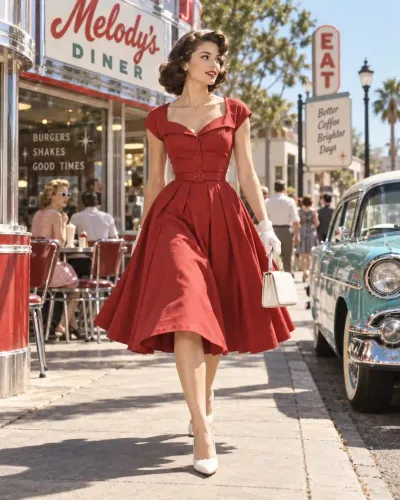
1950–1959 · 54 entries
The 1950s
The New Look's afterglow, the wiggle dress, and the birth of teen fashion.
-
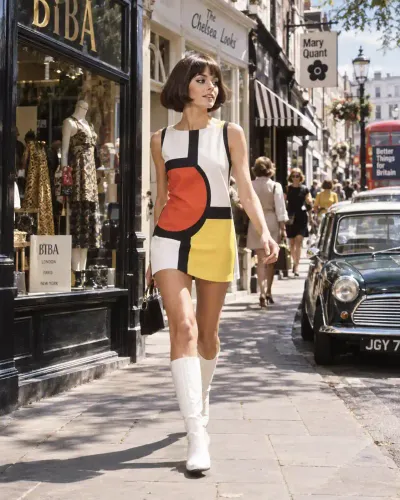
1960–1969 · 53 entries
The 1960s
A decade that started in Jackie Kennedy's structured Camelot elegance and ended in Woodstock tie-dye - mod miniskirts and Space Age futurism in between.
-
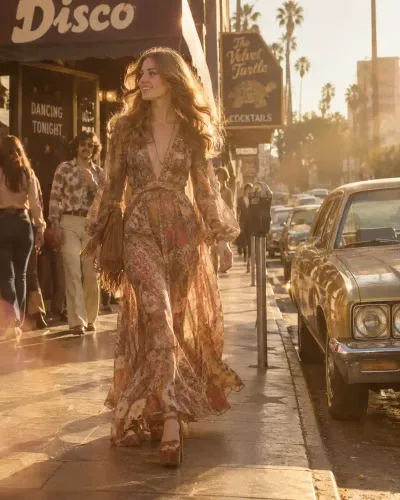
1970–1979 · 53 entries
The 1970s
From bohemian maxi dresses to disco and the first stirrings of punk - the decade fashion stopped agreeing on a single silhouette.
-
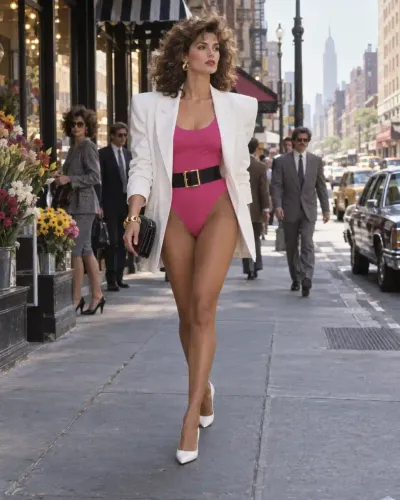
1980–1989 · 57 entries
The 1980s
Padded shoulders and power suits, aerobics-studio spandex, and prom-night excess - the decade fashion got loud, structured, and unapologetically maximalist.
-

1990–1999 · 51 entries
The 1990s
Grunge flannel and minimalist slip dresses, supermodels and the waif, hip-hop's takeover of the mainstream - the decade fashion stripped back the 1980s and then built toward the millennium.
Start reading
-
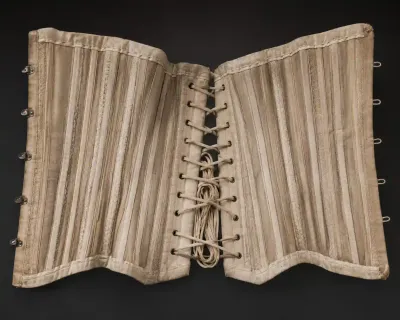
The Victorian Era
Corsetry and Boning
The construction techniques behind Victorian corsetry - boning materials, channelling, and lacing - that make every silhouette in the era possible.
-
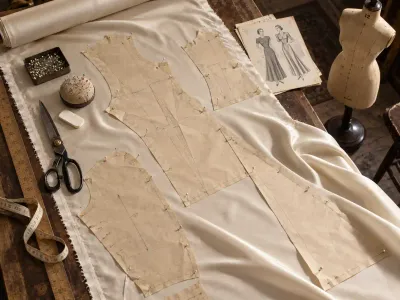
The 1930s
The Bias Cut
Cutting garment pieces at 45 degrees to the fabric's grain so they stretch, drape, and cling - the construction technique behind the decade's most famous gowns, and one of the hardest to master.
-
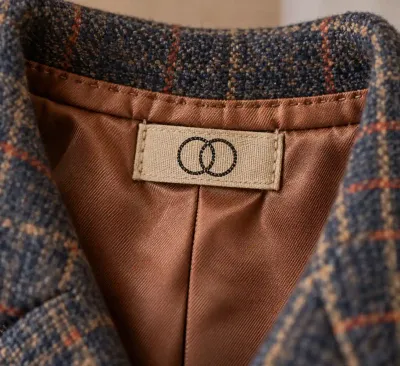
The 1940s
Utility and L-85: Designing to Regulation
Britain's Utility scheme and America's L-85 order set legal limits on fabric, pleats, pockets, trims, and hem widths - effectively a government-issued construction rulebook for a whole decade's clothes.
-
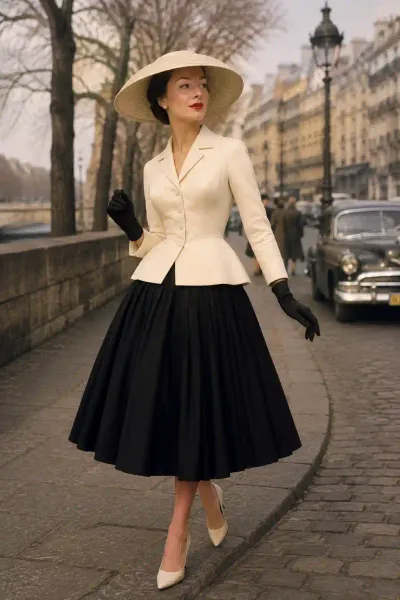
The 1950s
The New Look
Christian Dior's 1947 debut silhouette - a cinched waist over a wide, fabric-heavy skirt - that set the tone for the first half of the decade before shapes like the wiggle dress took over.
-
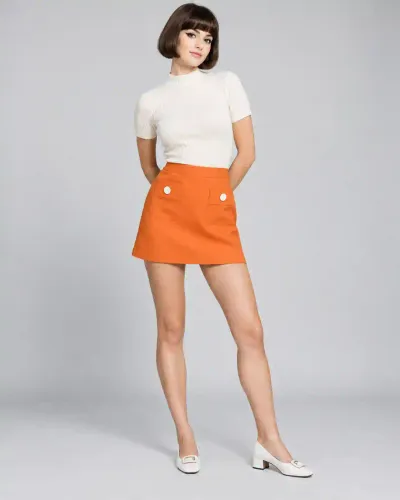
The 1960s
The Mini Skirt
The single garment most synonymous with the entire decade - a hemline that climbed from just above the knee to thigh-length within a couple of years, and never fully retreated afterwards.
-
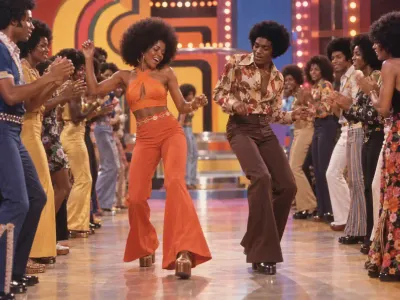
The 1970s
Soul Train and Black Style
From 1971, a nationally syndicated dance show put young Black dancers and their own clothes - afros, platforms, flared trousers, hot pants - in front of America every week, while designers like Stephen Burrows took Black style to the catwalk.
-

The 1980s
Hip-Hop and Early Streetwear
A Bronx-born music and dance culture that built its own distinct fashion vocabulary from the ground up - practical, brand-conscious, and largely ignored by the mainstream fashion press until well after it had already spread nationwide.
-
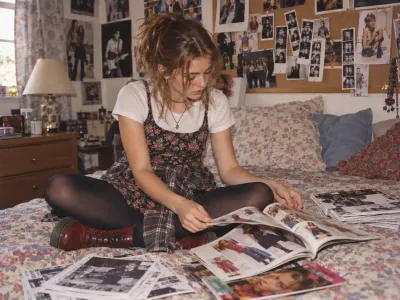
The 1990s
Sassy and Teen Girl Culture
Sassy magazine, the dELiA*s catalogue, Limited Too and My So-Called Life - where 1990s girls learned what to wear, and how they actually dressed: thrift-shop finds, babydolls and boots, flannel, baby tees and body glitter.