The 1930s throughout the 1930s
Silk Satin and Charmeuse
Lustrous, fluid silks with a glossy face and a matte back - the fabrics that made the bias cut shine, literally, on the dance floor and the cinema screen.
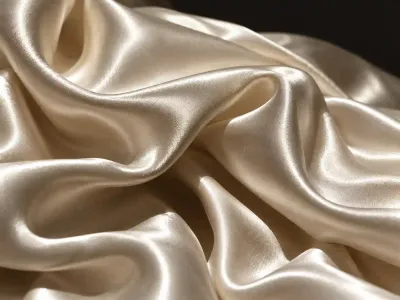
If one fabric sums up 1930s glamour, it's silk satin. Satin is a weave rather than a fibre - long floating threads on the surface give it a smooth, glossy face and a duller back - and in silk it has a depth of shine that nothing else quite matches. Charmeuse is a lighter, softer, more fluid satin, and it was the perfect partner for the bias cut: it drapes, clings, and moves like liquid, which is exactly what the bias-cut evening silhouette needed.
Hollywood is a big part of why silk satin became so iconic. On black-and-white film, colour didn't register, but light did - and satin catches and reflects light beautifully, creating highlights and shadows as the wearer moves. Adrian's white satin gowns for Jean Harlow are the classic example: on screen they seem to glow. Pale colours were especially popular - ivory, champagne, silver-grey, and pale pink - partly because they photographed so well and partly because they flattered the fashionable suntan.
As a dressmaker, I'll be honest that bias-cut satin is one of the most challenging combinations you can work with. It slips and shifts while you cut, the bias stretches as you sew, seams can pucker, and every pin mark and pressing mistake shows on the shiny face. Hems have to be left to hang for a day or more before levelling, because the bias drops unevenly. Knowing all that makes me admire the workrooms of Vionnet and her contemporaries even more - they made it look effortless. Cheaper versions in rayon satin brought the look within reach of more women, though they never draped quite the same way.