The 1950s 1950s
Rayon
A semi-synthetic fiber made from wood pulp, cheaper than silk and widely used for linings and everyday dresses throughout the decade.
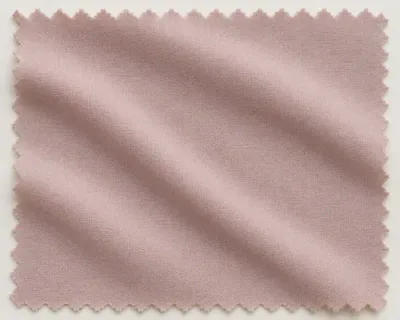
Rayon doesn't get talked about as much as nylon in this decade, but it's doing a huge amount of quiet, unglamorous work - it's the fabric behind a lot of affordable everyday dresses that don't survive in vintage collections the way showier pieces do.
Rayon and nylon get lumped together as "1950s synthetics" pretty often, but they're really quite different materials solving different problems, and it's worth being precise about that. Rayon is technically a semi-synthetic or "regenerated cellulose" fiber - it starts as genuine wood pulp, chemically processed and extruded into fiber form, which gives it a drape and a slight sheen closer to silk than to a fully synthetic fiber like nylon ever achieves. Nylon, by contrast, is fully synthetic, petrochemical in origin, and prized specifically for durability, elasticity, and easy-care properties rather than for drape or luxury feel - which is exactly why nylon dominated hosiery and easy-wash blouses while rayon found its niche somewhere else entirely.
That niche was mostly in exactly the unglamorous, everyday territory the summary here points to: dress linings, where rayon's silky hand and smooth slide against the body made it a genuinely superior and much cheaper substitute for actual silk lining fabric; and affordable printed day dresses, where rayon could deliver a fashionable drape and a good, saturated print at a price cotton often couldn't quite match for a dressier look. It didn't hold up to hard wear or repeated washing nearly as well as nylon did, though, and rayon garments from this decade survive in noticeably worse condition in vintage collections today than comparable nylon or cotton pieces - which is part of why, as the entry's summary notes, rayon's huge quiet presence in the era's everyday wardrobe is easy to underestimate now. The showier synthetic success stories survived to be collected and displayed; a great deal of ordinary rayon daywear simply wore out and got thrown away, the way genuinely everyday clothing usually does.