The 1950s 1950s
Orlon Acrylic
DuPont's acrylic fiber, marketed from 1950 as a wool alternative - lightweight, moth-resistant, and easy-care in exactly the way the decade's synthetics were prized for.
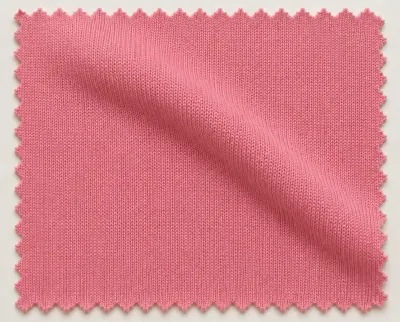
Orlon is DuPont doing to sweaters roughly what nylon did to stockings - take a natural-fiber staple and offer a version that doesn't need the same careful hand-washing and moth-proofing.
DuPont's marketing for Orlon, launched commercially in 1950 and moving to full-scale production at the company's Camden, South Carolina plant by 1952, was remarkably direct about positioning it as a head-to-head wool substitute rather than a fiber with its own separate identity - advertising copy routinely promised sweaters that looked and felt like fine wool but could be machine-washed without the shrinking and felting risk that made wool sweaters a genuine laundry hazard, and without the moth damage that made off-season wool storage its own small seasonal chore. That's a very specific, practical pitch, aimed less at fashion-forward novelty and more at the same "easier housekeeping" theme running through nylon's marketing a few years earlier - Orlon sweaters, cardigans, and the era's ubiquitous sweater sets were sold explicitly on convenience credentials as much as on look or feel.
What I find genuinely interesting about Orlon specifically is how well it suited the decade's other big knitwear trend - bulky, textured cable-knit and highly saturated colorfast sweaters became much easier to produce reliably in acrylic than in wool, since the fiber took dye more evenly and held its shape through repeated washing better than natural wool did at the time. That's part of why Orlon spread so quickly into everyday sweaters despite wool's much longer pedigree as the "correct" material - it wasn't just cheaper, it was in some genuine respects more practical for exactly the kind of easy-care, mass-produced knitwear the decade's consumers were increasingly expecting from their wardrobes.