The 1990s late 1990s
Girl Power and the Spice Girls
Five women, five instantly recognisable styles, a slogan and a Union Jack dress - how the Spice Girls turned 'girl power' into the biggest pop phenomenon of the late 1990s and made fashion a matter of personality.
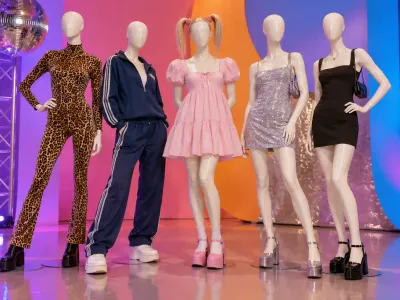
In 1996, the Spice Girls released "Wannabe," and within months they were the biggest pop act in the world. Their music was cheerful pop, but their real impact was cultural and visual. They sold a slogan - "girl power" - and they sold it through clothes.
The key to their image was that each member had her own style, summed up in the nicknames coined for them by the British pop magazine Top of the Pops. Scary Spice (Melanie Brown) wore bold animal prints, catsuits, and big hair. Sporty Spice (Melanie Chisholm) wore tracksuits, sports bras, and trainers. Baby Spice (Emma Bunton) wore pastel babydoll dresses, platform shoes, and pigtails. Ginger Spice (Geri Halliwell) wore flamboyant, sexy outfits in bright colours. And Posh Spice (Victoria Adams, later Beckham) wore sleek little black dresses, a precise, polished, grown-up style. That meant fans could choose the Spice Girl they most identified with and dress like her.
Their collective look became a big part of the Y2K silhouette: crop tops, cargo pants, mini dresses, and, above all, huge platform trainers, especially the chunky styles made by the brand Buffalo. The single most famous outfit came at the 1997 BRIT Awards, when Geri Halliwell wore a very short Union Jack dress, a key image of Cool Britannia.
"Girl power" itself had roots in the early-1990s feminist punk movement known as riot grrrl, but the Spice Girls took it into the mainstream in a friendly, commercial form. For them, it meant friendship between women, confidence, independence, and having fun on your own terms. Critics argued that it was feminism turned into marketing, and that the group was a carefully managed commercial product. Both things can be true.
I find the Spice Girls interesting from a fashion point of view because they made personal style the whole point. Instead of one "correct" look, there were five, and fans could pick, mix, and adapt them. For a lot of girls in the late 1990s, dressing like a Spice Girl was their first real experience of using clothes to say who they were - and that's a powerful thing, whatever you think of the music.