The 1970s 1970
The Midi Skirt Backlash
The fashion industry tried to declare the calf-length midi the mini's official successor in 1970 - and a genuine consumer revolt is the reason that never actually happened.
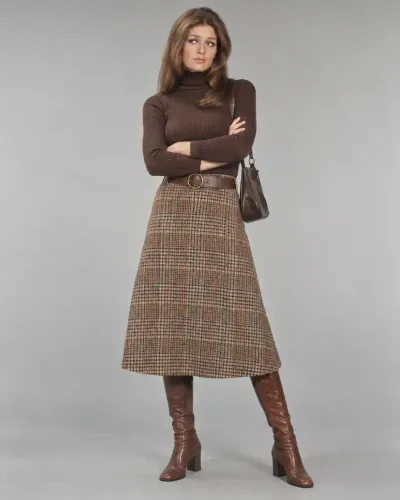
I love this entry because it's one of the rare, clearly documented moments where the fashion press and the fashion industry pushed hard on a single directive and ordinary women simply said no. Through 1969 and into early 1970, major designers on both sides of the Atlantic and the trade press covering them - Women's Wear Daily prominent among them - coordinated around the idea that the mini's run was over and the calf-length "midi" was its natural, inevitable replacement. It wasn't a fringe suggestion; it was presented close to a done deal.
Retailers stocked accordingly, and that's exactly where it went wrong. Department stores across the US built spring and fall 1970 buys around midi lengths, and a large share of actual shoppers simply refused to purchase them - there are contemporary reports of anti-midi petitions, organized "mini rallies," and retailers left holding genuinely significant unsold midi inventory by the season's end. It's a rare case where you can point to a specific, dated fashion-press push and a specific, dated consumer rejection of it, rather than trends just quietly fading the way they usually do. Women weren't rejecting a longer hemline out of principle so much as rejecting being told, all at once and from the top down, that their existing minis and current wardrobes were suddenly wrong.
I think the real legacy of the midi backlash isn't the midi itself, which never became the singular dominant length the industry wanted - it's what the failure made possible. With no single hemline able to claim total authority after 1970, the decade opens up into genuine, sustained coexistence: the mini hanging on in pieces like hot pants, and the floor-length maxi dress actually thriving through the early-to-mid 70s specifically because it read as romantic and boho-chosen rather than press-mandated. It's a genuinely useful case study in the limits of top-down fashion dictation the moment it collides with what women actually want to buy and wear.