The Victorian Era Late Victorian / early Gibson Girl (1890s)
Wool Tweed
A rugged, textured wool associated with the tailored walking suit and the era's increasingly practical, outdoor-oriented late-century womenswear.
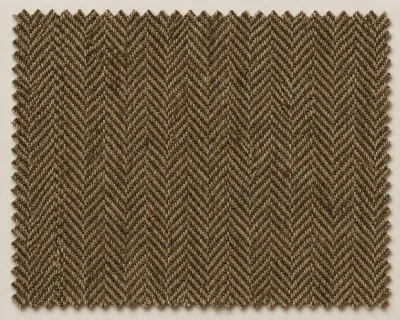
Tweed shows up right alongside the walking suit for a reason - it's a hardwearing fabric built for actual outdoor use, which fits exactly the more mobile, practical direction womenswear is heading by the century's end.
The specific weaves matter here more than "tweed" as a catch-all term suggests. Harris Tweed, hand-woven in the Outer Hebrides from local wool using traditional methods, was already gaining a reputation among the sporting and hunting set by mid-century for genuine weatherproofing - a tightly-woven, slightly oiled wool that sheds rain and wind far better than most fashion fabrics of the period. Cheviot tweed, from the Anglo-Scottish border country, offered a slightly softer, more consistent alternative that tailoring houses could source in the volume a fashionable clientele demanded. Herringbone and houndstooth weaves in particular become closely associated with tailoring houses like Redfern through the 1880s and '90s - patterns borrowed directly from menswear suiting, applied without much modification to the era's tailored walking suits, which is part of why those suits read as so architecturally serious next to the softer prints and silks used elsewhere in a woman's wardrobe.
What tweed represents, more than any specific weave, is a genuine change in what fabric was being asked to do. Most of the era's fashionable fabrics - silk, velvet, fine wools - were selected first for how they looked and draped, with durability a secondary concern at best. Tweed inverts that hierarchy: it's chosen because it survives weather, wear, and actual physical activity, and its rougher, more visibly textured surface was a genuinely new aesthetic in womenswear, one that reads as functional rather than purely decorative. That's exactly the same shift the tailor-made walking suit itself represents at the level of construction - tweed is simply the fiber story running in parallel with it, fabric catching up to a wardrobe that finally needed to survive being worn outdoors.