The 1960s mid-1960s
The Paper Dress
A genuinely wearable dress made from treated cellulose fiber, sold by mail order for a dollar twenty-five - launched as a promotional gimmick in 1966 and briefly, seriously treated as a real answer to disposable fashion.
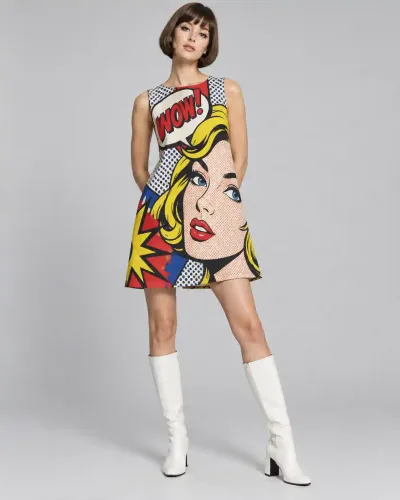
The Scott Paper Company launched its "Paper Caper" promotion in 1966, offering a simple A-line shift dress made from treated, fire-retardant cellulose fiber - genuinely wearable paper, reinforced enough to survive a single evening's wear - available by mail order for $1.25 plus two proofs of purchase from Scott's regular paper products. It was conceived purely as advertising, but the response caught the company off guard: demand ran into the hundreds of thousands of dresses, and other manufacturers scrambled to launch their own paper garment lines within the year, briefly treating disposable clothing as a genuine emerging product category rather than a one-off novelty.
The dress itself is worth distinguishing clearly from the paper-and-disposable-fashion fabric entry covered elsewhere in this section, which deals with the material and manufacturing story more broadly - this entry is about the specific cultural object the paper dress became: a genuinely disposable garment, meant to be worn a handful of times and thrown away, printed in bold Pop Art and psychedelic patterns that leaned into the novelty rather than trying to disguise the unusual material. Some versions were sold as blank canvases, explicitly marketed for a wearer to draw or paint on herself, treating the dress as a genuinely temporary, personalizable object in a way no woven fabric garment could easily be.
I think the paper dress earns its own entry, separate from the fabric story, because it's such a concentrated example of this decade's throwaway consumer culture applied directly to clothing - a garment explicitly designed and marketed around not lasting, at the exact moment mass manufacturing and rising disposable income made that idea seem briefly viable as an actual business rather than an absurd one. The fad collapsed within a couple of years once the novelty wore off, but for a genuinely strange moment, "wear it once and throw it away" was taken seriously as where fashion might be heading.