The 1960s mid-1960s
Vinyl Boot Construction and Sole Bonding
Cementing a vinyl upper directly to a molded sole rather than stitching and welting it by hand - the manufacturing shortcut that let go-go boots be produced fast, cheap, and in genuinely mass quantity.
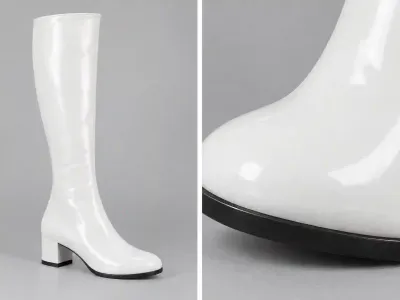
Traditional shoe and boot construction joins an upper to a sole through welting - stitching the upper, an insole, and a welt strip together, then attaching the outer sole to that welt - a labor-intensive process requiring real hand skill and time regardless of the materials involved. The go-go boot largely bypassed that process entirely: a molded vinyl or PVC upper could be cemented or heat-bonded directly to a pre-molded sole unit, a process closer to industrial manufacturing than traditional shoemaking craft.
That shift is worth being specific about, because it's a genuinely different relationship between material and method than this section's heat-sealed and welded seam construction entry covers elsewhere - that entry deals with joining vinyl fabric panels together in garments, while sole bonding is solving footwear's specific structural problem of attaching a soft upper to a rigid, weight-bearing sole reliably enough to survive daily wear without the stitched-and-welted construction that job traditionally required. Both techniques share an underlying logic - synthetic materials responding to heat and adhesive in ways natural leather and traditional construction methods don't - but they're solving distinct manufacturing problems.
I think this construction shift explains something real about why the go-go boot could spread as fast and as cheaply as it did across youth fashion markets - bonded vinyl construction is dramatically faster and less skilled-labor-intensive than traditional welted boot-making, which meant a genuinely mass-market price point was achievable in a way a traditionally constructed leather boot simply couldn't match. The boot's whole cultural moment, arguably, depended as much on this quiet manufacturing shortcut as it did on the style itself.